From a marshy basin the Qing barely governed to one of Asia's great cities - the complete guide to Taipei: its soul, its districts, its rituals, and the hidden corners only locals know.
Few capital cities hide their age as gracefully as Taipei. Step out of a metro station into the glass canyons of Xinyi and you would never guess that, within living memory, this was farmland on the edge of a malarial basin. The story of how a swampy backwater became one of Asia's most liveable cities is written into its streets - in tea lanes and bathhouses, in temple smoke and neon - and this guide is the long read that follows that thread from end to end.
Start with the bones of the place: the numbers that explain how it feels to be here.
The almanac
Taipei at a glance
- Topography
- Basin, ringed by hills
- Konbini density
- ~1 per 2,000 people
- Signature dishes
- Beef noodle · Xiaolongbao
- Getting around
- Metro + EasyCard
- Language
- Mandarin · Taiwanese
- Best months
- Oct - Apr
The soul of the basin: a narrative history
Taipei sits in a basin drained by the Tamsui River and its tributaries, the Keelung and the Xindian. For most of its history this was unpromising ground - flood-prone, humid, and far from power. The Qing administered Taiwan reluctantly, and the settlement that became Taipei was a scatter of villages around the older port of Bangka, today's Wanhua.
Tea changed the calculus. From the 1860s, foreign merchants found that the hills grew an oolong the world wanted, and the wharves of Dadaocheng filled with chests of Formosa tea bound for New York and London. The trade lined Dihua Street with baroque-deco shophouses and pulled the city's centre of gravity north. Fifty years of Japanese rule then laid the bones still visible today - the railway, the old-town grid, and the bathhouses of Beitou - before 1949 made Taipei a capital and swelled it with arrivals.
A short history
From swampy tea post to skyline
Taipei began as marsh and farmland in a mountain-ringed basin, a place the Qing court barely bothered to govern. It was tea that changed everything: by the late 1800s the merchants of Dadaocheng were shipping Formosa oolong to the world, and the wharves along the Tamsui River turned a backwater into a boomtown.
Half a century of Japanese rule laid the bones still visible today - the grid of the old town, the railway, the bathhouses of Beitou and a deco architecture that lingers on Dihua Street. After 1949 the city became the capital of the Republic of China and swelled with arrivals, sprawling outward as it industrialised.
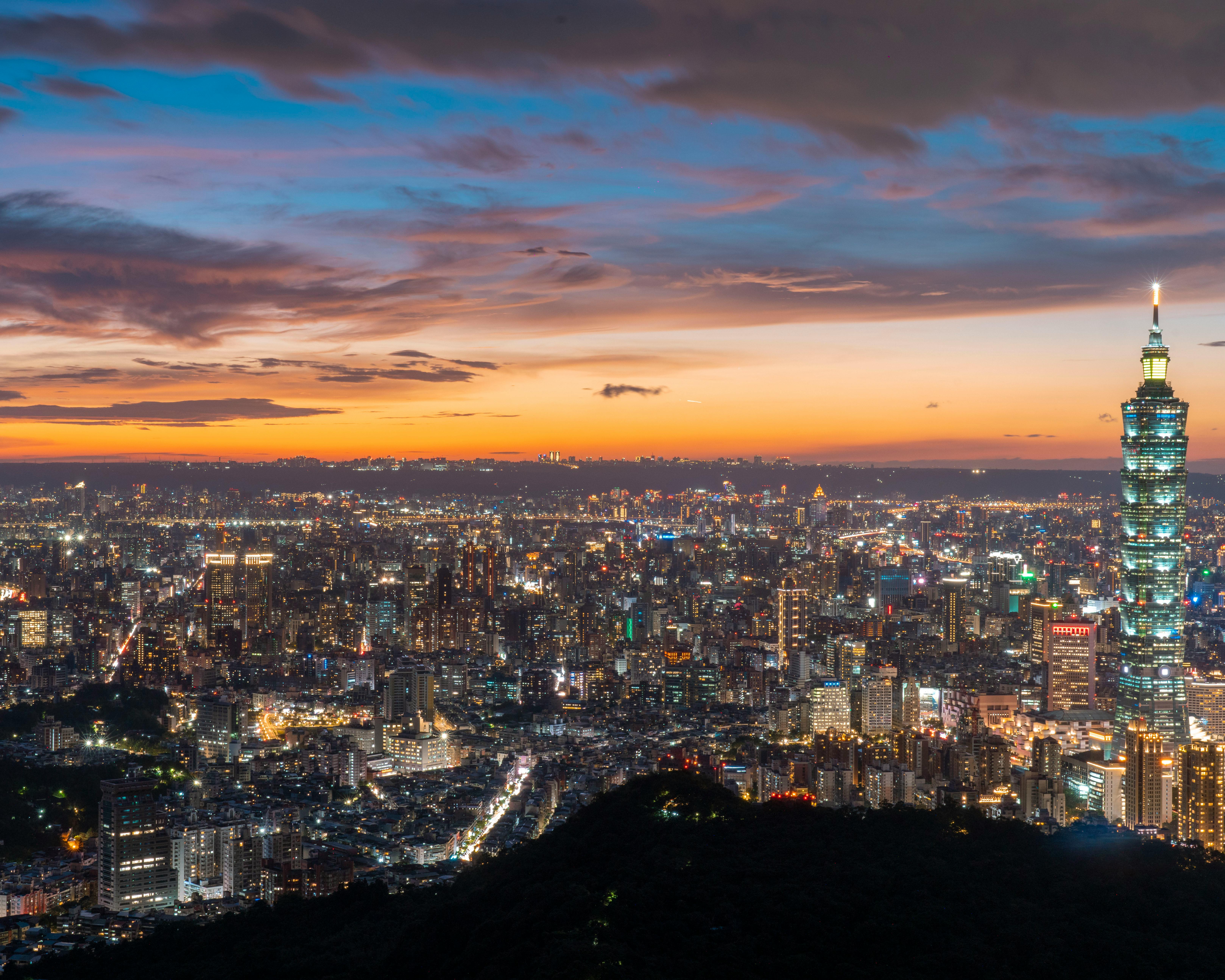
The modern skyline is a recent invention. When Taipei 101 topped out in 2004 it was the tallest building on earth, the emphatic full-stop on a transformation from agricultural outpost to one of Asia's great technology capitals - all within living memory.
The skyline is the most recent chapter. When Taipei 101 topped out in 2004 it was, briefly, the tallest building on earth - the exclamation mark on a transformation from agricultural outpost to one of Asia's great technology capitals, all within a single lifetime. Ride the metro from the tea lanes of Dadaocheng to the towers of Xinyi and you cross that whole arc in twenty minutes.
Where the neon fades: hidden gems & district vibe checks
Taipei rewards travellers who wander past the headline sights. Beyond the malls and the night markets lie the corners that locals keep for themselves - and they are where the city's character really lives.
- Treasure Hill Artist Village - a settlement of illegal riverside houses on a hillside, saved from demolition and reborn as a warren of studios, installations and quiet terraces above the Xindian River.
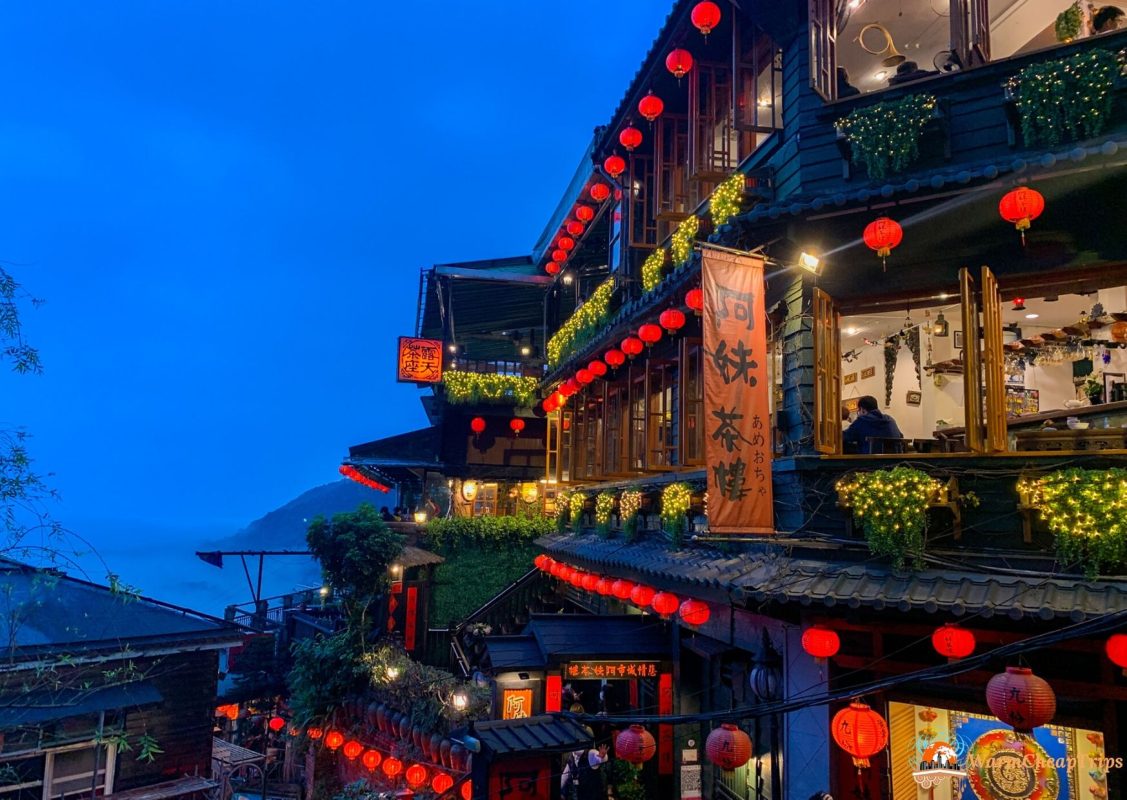
- The midnight tea houses of Maokong - ride the gondola up into the tea terraces and drink high-mountain oolong on a lantern-lit balcony long after the city below has gone to bed.
- The retro-chic alleys of Dadaocheng - the old tea-trade quarter, where deco shophouses now hold third-wave cafes, herbalists, fabric merchants and design shops along Dihua Street.
- Bopiliao Historic Block - a restored Qing-era street in Wanhua, all red brick and arcades, often empty enough to have to yourself.
District vibe check
Which Taipei are you after?
Polished & high-rise
Xinyi
Taipei's glossy downtown - flagship malls, rooftop bars and the 101 tower defining every skyline shot. Buzzy after dark, corporate by day.
The modern culinary renaissance: rituals and flavours
Taipei eats with religious seriousness, and its defining dish is beef noodle soup - a bowl argued over with the passion others reserve for politics. The city even holds an annual festival to crown the best.
- Niou Dian - a modern temple to the dish, where the broth is deep, clean and slow-built; expect a queue and surrender to it.
- Liu Shandong Beef Noodles - the old-guard institution near Taipei Main Station, a Shandong-style standard-bearer for decades.
- Raohe Street pepper buns (hú jiāo bǐng) - peppered pork slapped to a barrel-oven wall and pulled out blistered; the queue at the temple gate is the city's most worthwhile.
- Oyster omelettes & stinky tofu - the night-market canon, best grazed one small plate at a time.
Sights & rituals: from summit to sulphur
Some Taipei experiences are less attractions than rituals - things you do at a particular hour, in a particular light, the way the city itself does them.
- The Elephant Mountain night hike - twenty minutes of stone steps for the city's defining view: Taipei 101 ablaze and the basin glittering below, best an hour after dark.
- A sulphur soak in Beitou - ease into the milky, mineral-heavy springs the Japanese turned into a resort a century ago; a private onsen suite is the indulgent move.
- Jiufen's twilight paths - the lantern-lit stairways of the old gold-mining town, magic in the blue hour once the day-trip buses have gone.
- Dawn at Longshan Temple - incense-thick and humming with chanted prayer before the city wakes.
A perfect day, hour by hour
If you have just one full day, give it this shape - a route that crosses the city's eras from a mountaintop sunrise to the neon sprawl of Ximending.
Anatomy of a day
The perfect 24 hours in Taipei
- Sunrise at Elephant Mountain
- Breakfast, the Taiwanese way
- Old town & temples
- Maokong gondola & tea
- Late-night Ximending
Breakfast in the old town, a hot spring by mid-afternoon, neon by midnight - and never once a need for a taxi.
Where to stay
Base yourself by the metro and the whole city opens up. For design and skyline drama, W Taipei and the Grand Hyatt anchor Xinyi beneath the tower; for a quieter, art-filled luxury, Humble House faces the elevated park. Compare them below, each with live partner rates for your dates - and when you are ready to go deeper, the rest of the Taipei Collection waits at the foot of this page.
Explore the Taipei Collection
Taipei, guide by guide
Xinyi, Taipei
Xinyi luxury & the 101 skyline

Beitou, Taipei
Beitou thermal serenity: a luxury hot spring circuit

Ximending, Taipei
Ximending after dark: neon lights & urban culture

Taipei
A foodie's guide to Raohe Night Market
Jiufen (near Taipei)
Hidden tea houses of Jiufen
Dadaocheng, Taipei
Taipei transit & heritage: the Dadaocheng walk